The Quiet Conversion of the American Downtown
Office towers that emptied out half a decade ago are filling up again — as apartments. Inside the unglamorous engineering that turns cubicles into kitchens.

By Ada Merrick, Cities Correspondent
July 26, 2026
8 min read
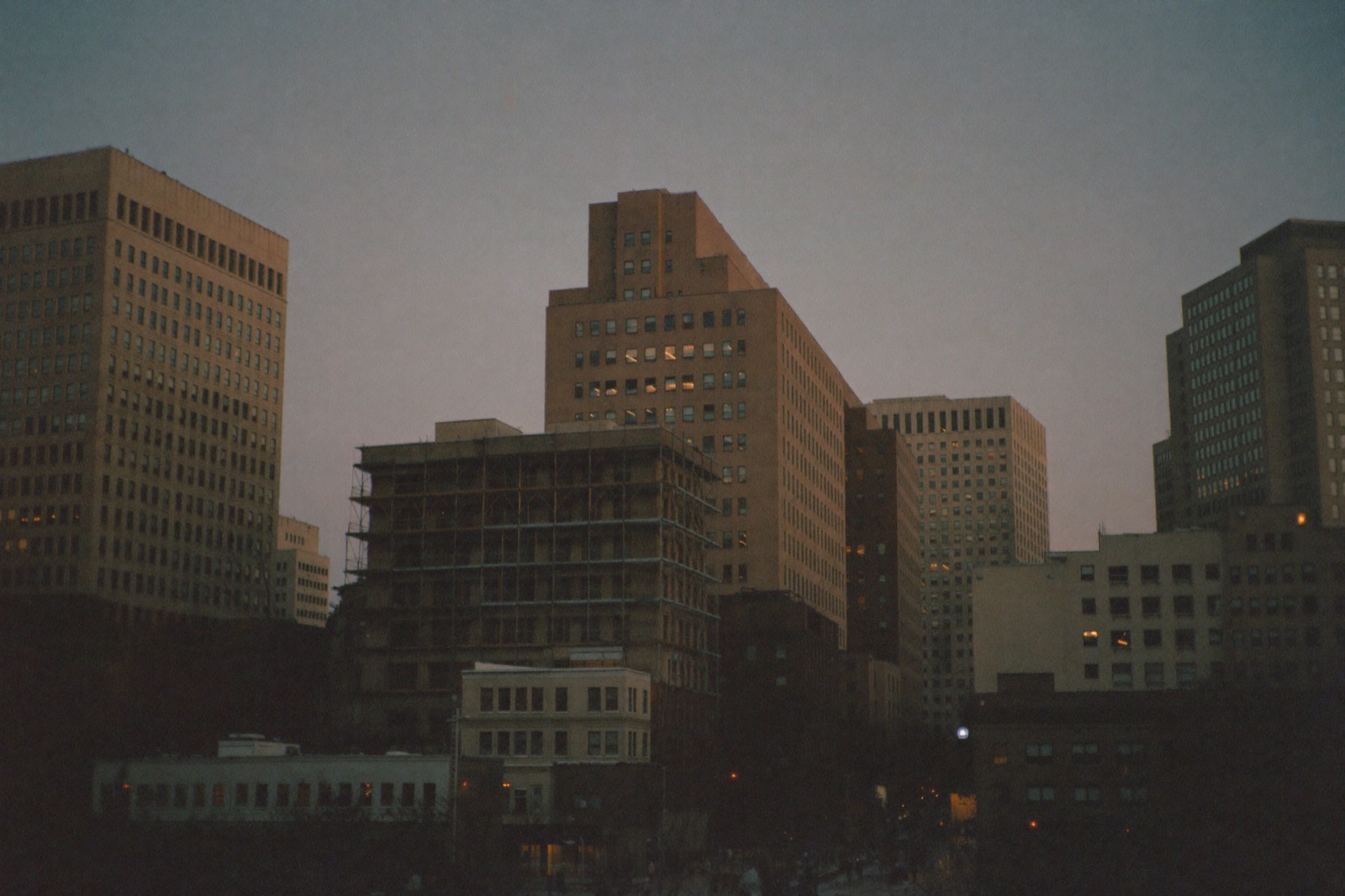
The thirty-first floor of the old Meridian Trust building still smells faintly of carpet glue and toner, but the carpet is gone, and so are the cubicles it once held in place. In their footprint: forty-one apartments, each with a dishwasher, a bedroom window that opens, and a mortgage-sized view of three other towers going through the same conversion. Five years ago this block emptied out in eleven months. It is filling back up in roughly the same span — one plumbing riser at a time.
The story usually gets told as a real-estate story, which is a shame, because it is really a plumbing story. An office floor is built around one truth: nobody sleeps there. Water arrives at a core of restrooms in the middle and goes no further. Apartments invert that logic. Every unit wants a kitchen, a bathroom, a washer — water at the perimeter, drains everywhere, and a fire code written for people in pajamas rather than people in meetings.
The buildings that want to be homes
Not every tower can make the trip. The conversion teams have developed a connoisseur's eye for the ones that can: pre-1970s frames with modest floor plates, windows on four sides, and a core compact enough that no future bedroom sits more than forty feet from daylight. The glass-skinned giants of the eighties, with their acre-deep floors, mostly cannot — the middle of the building is simply too far from a window to be anything but storage.
"We walk in with a tape measure and a flashlight, and honestly the flashlight matters more," one structural engineer told me, standing in a stairwell that predates her grandmother. "You are not buying square footage. You are buying distance to a window."
A downtown is not dead when the offices empty. It is dead when nobody has a reason to buy milk there at nine at night.
A conversion developer, over coffee on a former trading floor
What changes at street level
The economics are famously tight — acquisition prices had to fall roughly by half before the arithmetic worked, and in most cities they did. But the part nobody models in the spreadsheet is what happens on the sidewalk. An office district is a tide: eight hours of crowds, sixteen of vacancy. A residential block is a heartbeat. The dry cleaner comes back first, then the pharmacy, then — the reliable indicator, according to every broker I spoke to — the second grocery store, the one that signals competition rather than charity.
The Meridian's first residents moved in this spring. The building's old tenant directory still hangs in the lobby, brass letters spelling out firms that no longer exist. The developer keeps meaning to take it down. The residents have voted, informally and repeatedly, to keep it — a monument, one of them said, to the jobs that paid for the view they now sleep in.
The next ten thousand units
City planning departments, not usually accused of moving quickly, have noticed which way the water is flowing. Fast-track approvals for conversions now exist in more than twenty American cities; three states have gone further and made the paperwork nearly automatic for any building older than the engineers reviewing it. The estimates run to tens of thousands of units in the pipeline — a rounding error against the housing shortage, and also, block by block, the difference between a downtown that closes at six and one that does not close at all.
On my last visit, a resident on thirty-one was teaching her daughter to find their kitchen window from the street. It took a while. From the sidewalk, the tower still looks like the office it was — same stone, same setbacks, same corporate austerity. The tell is at dusk, when the lights come on: not the flat fluorescent sheet of a floor working late, but a scatter of warm windows, each one someone home.